
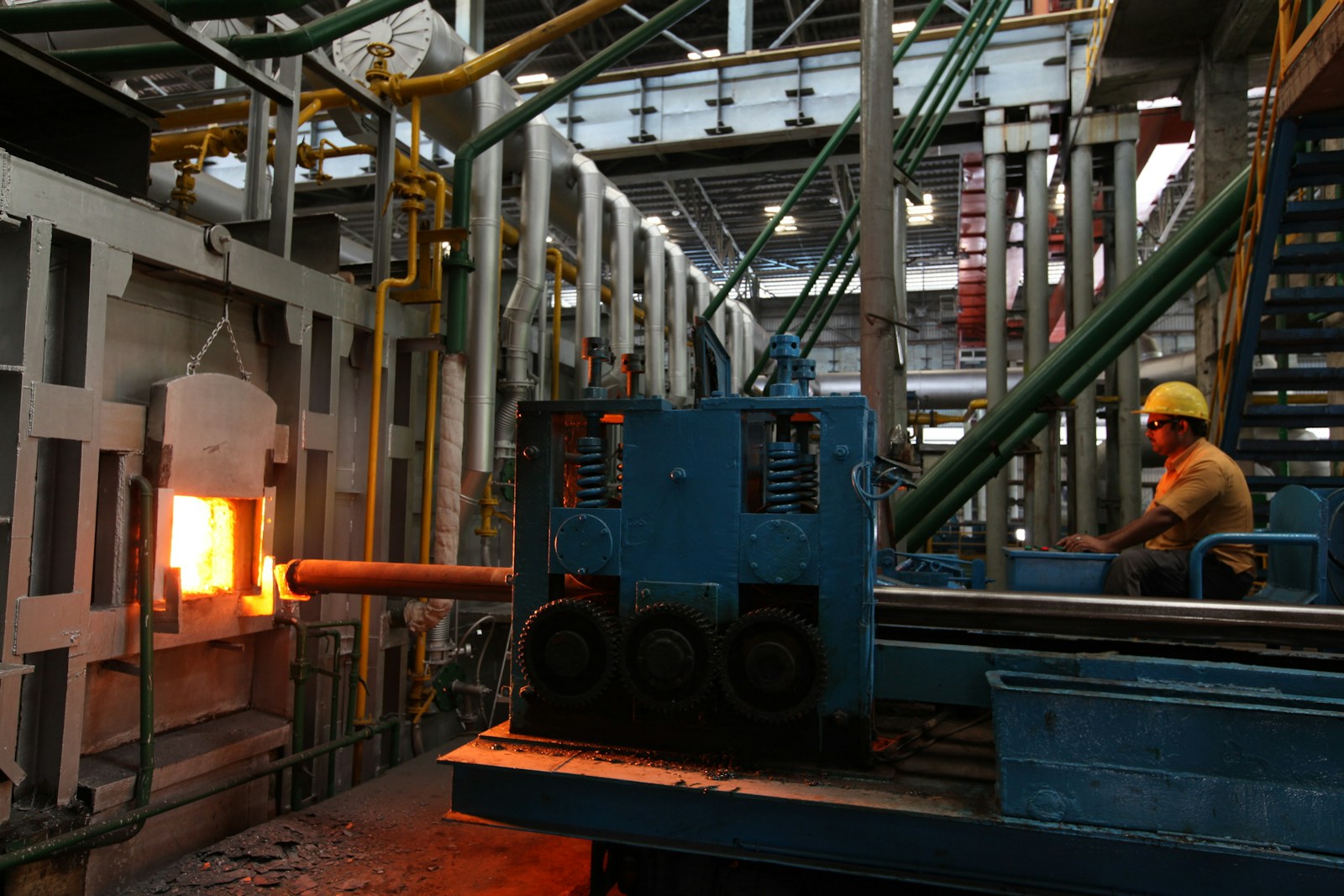
Graphite gasket sheet represent the gold standard for sealing solutions in extreme temperature environments. These specialized materials consist of flexible graphite foil, often reinforced with metallic inserts to enhance strength and stability. The unique molecular structure of graphite enables exceptional heat resistance, with premium sheets maintaining integrity at temperatures exceeding 450°C in oxidizing atmospheres and up to 3000°C in non-oxidizing conditions.
Unlike traditional alternatives, graphite gasket sheets offer superior compression recovery, allowing them to maintain sealing integrity even under fluctuating temperature and pressure conditions. Their inherent chemical resistance makes them particularly valuable in aggressive industrial environments where other sealing materials would rapidly deteriorate.
Key Benefits in High-Temperature Applications
The exceptional thermal stability of graphite gasket sheets makes them indispensable in high-temperature industrial settings. Their ability to withstand extreme heat without degradation prevents costly leakages and ensures operational continuity in critical systems.
Chemical processing plants, petroleum refineries, and power generation facilities particularly benefit from graphite’s resistance to aggressive chemicals, including strong acids and alkalis. This resistance significantly extends service life compared to conventional sealing options.
Another advantage is graphite’s superior creep resistance under compression, maintaining reliable seals despite thermal cycling and mechanical stress. This property dramatically reduces maintenance requirements and extends equipment lifespan in demanding industrial environments.
Comparison with Metal Gaskets
While metal gaskets offer excellent durability in certain applications, graphite-based solutions provide distinct advantages in high-temperature scenarios. Traditional metal gaskets typically require higher bolt loads and offer limited recovery after compression, potentially leading to leakage during thermal cycling.
Premium graphite sheets combined with metal reinforcement create hybrid solutions that capitalize on the strengths of both materials. The metal component provides structural integrity and blow-out resistance, while the graphite delivers superior sealing properties and temperature resistance.
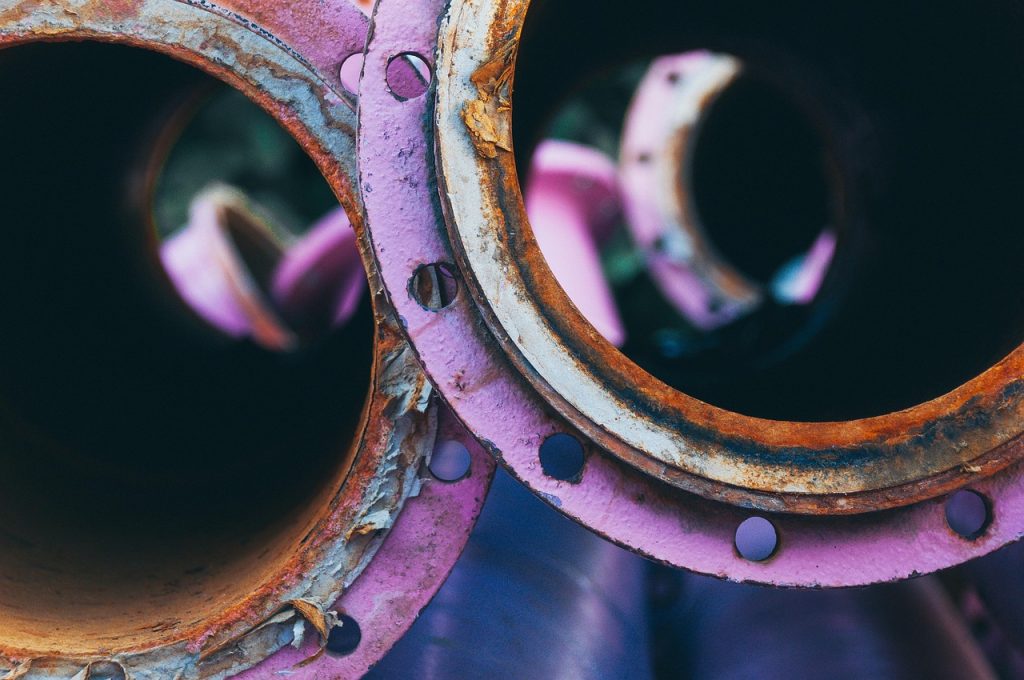
For applications with irregular flange surfaces, pure graphite sheets offer better conformability than rigid metal gaskets, ensuring more reliable seals across imperfect mating surfaces. However, in extremely high-pressure applications, specialized metal gaskets may still be preferred despite their temperature limitations.
Advanced Manufacturing Techniques
The production of premium graphite gasket sheets involves sophisticated processes that directly influence performance quality. Initial material selection focuses on high-purity graphite flakes, as impurities can significantly compromise temperature resistance and sealing properties.
Modern manufacturing incorporates precise densification techniques to achieve optimal material density, balancing compressibility with recovery characteristics. For reinforced variants, specialized lamination processes ensure proper bonding between graphite layers and metal inserts.
Laser cutting gaskets has revolutionized the fabrication of complex sealing solutions, enabling unprecedented precision and repeatability. This advanced cutting method eliminates the mechanical stresses associated with traditional die-cutting, preserving the integrity of the graphite matrix and enhancing performance reliability.
Selecting the Right Gasket for Your Application
When choosing graphite gasket sheets, several critical factors warrant consideration. Temperature range represents the primary selection criterion, with various grades offering different maximum temperature thresholds. For extreme applications exceeding 2000°C, specialized high-purity grades become essential.
Pressure ratings significantly influence selection, with reinforced graphite sheets typically providing higher blow-out resistance under elevated pressures. Applications exceeding 200 bar generally require tanged metal or multi-layer reinforcement within the graphite matrix.
Chemical compatibility assessment prevents premature failure in corrosive environments. While graphite demonstrates excellent broad-spectrum chemical resistance, certain oxidizing acids may necessitate specialized treatments or alternative materials in some instances.
Installation and Performance Optimization
Proper installation dramatically affects the performance of graphite gasket sheets. Correct bolt tightening sequences and torque values prevent uneven compression, while appropriate surface preparation ensures optimal sealing. For critical applications, specialized anti-stick coatings facilitate clean removal during maintenance.
Regular inspection protocols should monitor compression set and potential signs of oxidation, particularly at the outer edges exposed to atmospheric conditions. Implementing thermal cycling evaluations helps predict service life in fluctuating temperature environments.
Emerging Trends in Gasket Technology
Recent innovations in graphite gasket technology focus on enhanced oxidation resistance through nano-coatings and specialized inhibitors. These advancements significantly extend service life in oxidizing environments while maintaining core thermal properties.
Laser cutting gaskets with increasingly complex geometries enables customized solutions for challenging applications. This precision fabrication allows for intricate flow patterns and controlled compression zones that optimize sealing performance while minimizing material usage.
Integration of smart monitoring capabilities represents another frontier, with embedded sensors tracking compression levels and detecting early signs of failure. These technologies promise to revolutionize maintenance scheduling and prevent catastrophic system failures in critical industrial processes.
