
Industrial operations that involve extreme temperatures present some of the most demanding environments for mechanical systems and components. Ensuring reliability in high-temperature industrial equipment requires careful attention to material selection, design specifications, and maintenance protocols that can withstand thermal stress day after day. From petrochemical refineries to power generation facilities, equipment failures in these settings can result in costly downtime, safety hazards, and significant financial losses. The stakes are particularly high when systems operate continuously at temperatures exceeding 300 degrees Celsius, where conventional materials and sealing solutions quickly degrade. Understanding which components are most vulnerable to heat-related failure is the first step toward building truly dependable systems.
Most high-temperature equipment failures can be traced back to inadequate sealing systems, thermal expansion mismatches, or material degradation under sustained heat exposure. Flanged connections in piping systems represent a common weak point, where the integrity of the seal determines whether hazardous fluids or gases remain safely contained. Temperature fluctuations add another layer of complexity, as equipment that performs well at steady-state conditions may fail when subjected to thermal cycling. Research indicates that approximately 40 percent of unplanned industrial shutdowns stem from seal failures, with a significant portion occurring in high-temperature applications. The economic impact extends beyond immediate repair costs to include lost production, emergency response expenses, and potential regulatory penalties.
Material science and component selection
Selecting appropriate materials for high-temperature service demands a thorough understanding of thermal properties, chemical compatibility, and mechanical strength characteristics. Metal alloys such as stainless steel, Inconel, and Hastelloy offer excellent heat resistance and maintain structural integrity at temperatures where ordinary carbon steel would soften or oxidize. However, metallic components alone cannot solve every sealing challenge, particularly where flexibility and conformability are required. The coefficient of thermal expansion becomes a critical design parameter, as dissimilar materials expanding at different rates can create gaps, stress concentrations, or warping that compromises system integrity. Engineers must calculate these expansion rates precisely and account for them in bolt torque specifications, clearance allowances, and joint design.
The choice between different sealing technologies often determines success or failure in extreme temperature applications. Metal gaskets provide robust solutions for high-pressure, high-temperature flanged connections where mechanical strength is paramount. These gaskets, typically manufactured from soft metals like copper, aluminum, or specialized alloys, can withstand temperatures exceeding 800 degrees Celsius in certain configurations. Their ability to maintain a seal through thermal cycling makes metal gaskets particularly valuable in applications involving repeated heating and cooling cycles. However, they require precise flange surface finishes and substantial bolt loads to achieve proper seating, which may not be feasible in all installations. The initial cost of metal gaskets typically runs two to five times higher than polymer alternatives, but their longevity in suitable applications often justifies the investment.
Sealing solutions for moderate to high temperatures
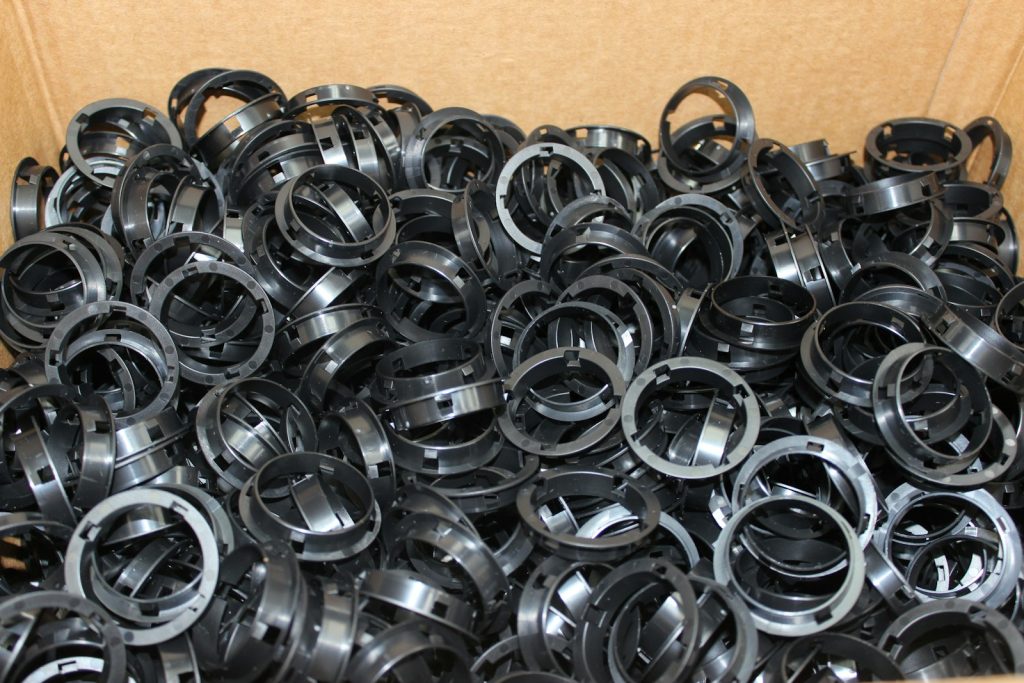
When operating temperatures remain below 260 degrees Celsius, ptfe gaskets offer an attractive combination of chemical resistance, compliance, and thermal stability. Polytetrafluoroethylene, commonly known by its acronym, exhibits exceptional resistance to aggressive chemicals while maintaining flexibility that accommodates minor flange imperfections. These gaskets conform to surface irregularities more readily than rigid materials, creating effective seals even on older equipment with worn or scratched flanges. The versatility of ptfe gaskets extends across numerous industries, from pharmaceutical manufacturing to food processing, where both temperature resistance and material purity are essential. However, cold flow characteristics under sustained compression require careful attention to bolt retorquing schedules, particularly during the first weeks of service.
Design strategies that enhance thermal performance
Beyond material selection, equipment design philosophy plays a crucial role in ensuring reliability in high-temperature industrial equipment. Thermal barriers and insulation systems protect critical components from excessive heat exposure while improving energy efficiency. Strategic placement of cooling jackets around vulnerable areas such as pump housings or valve stems can extend component life dramatically, sometimes doubling the mean time between failures. Expansion joints accommodate differential thermal movement in piping systems, preventing stress accumulation that could lead to catastrophic failures. These joints must be sized correctly for the expected temperature range and installed with proper alignment to function as intended. Regular inspection intervals should be shortened for equipment operating at extreme temperatures, with thermographic surveys revealing hot spots that indicate developing problems before they cause failures.
Redundancy and safety margins become increasingly important as operating temperatures rise. Designing systems to operate at 70 percent of the maximum rated temperature for key components provides a buffer against unexpected conditions or gradual material degradation. What happens when a seal fails during a critical production run? Having readily accessible spare parts and documented replacement procedures minimizes downtime when failures inevitably occur. Cross-training maintenance personnel on high-temperature equipment repair techniques ensures that expertise is available across multiple shifts. Documentation of thermal performance baselines allows trending analysis that identifies gradual deterioration before it reaches critical thresholds.
Advanced monitoring and predictive maintenance
Modern sensor technology enables continuous monitoring of high-temperature equipment conditions, transforming maintenance from reactive to predictive. Temperature sensors positioned at strategic locations throughout systems provide real-time data that algorithms analyze for anomalous patterns. Vibration monitoring detects bearing wear or imbalance conditions that worsen under thermal stress. Infrared cameras identify hot spots indicating insulation degradation, blocked cooling passages, or impending seal failures. These monitoring systems can alert operators to developing problems hours or days before they result in equipment failure, allowing planned interventions during scheduled downtime rather than emergency shutdowns.
Implementing condition-based maintenance programs for high-temperature equipment typically reduces unplanned downtime by 30 to 50 percent while extending component service life. The investment in monitoring equipment and data analysis capability pays for itself quickly through avoided production losses and optimized maintenance scheduling. Establishing baseline performance metrics when equipment is new or newly refurbished provides reference points for future comparisons. Trending data over months and years reveals whether seal compression is relaxing, whether bolt preload is being maintained, or whether thermal cycling is causing progressive damage. This information guides decisions about component replacement timing, allowing parts to be changed during planned outages rather than waiting for failures.
Installation practices that prevent premature failures
Even the highest-quality components will fail prematurely if installation procedures are inadequate. Proper surface preparation for flanged connections operating at high temperatures requires attention to finish specifications, cleanliness, and flatness tolerances. Surface roughness values between 125 and 250 microinches typically provide optimal sealing performance for most gasket types, though specific requirements vary with the sealing technology selected. Cleaning flanges thoroughly with appropriate solvents removes oils, scale, and particulates that could compromise the seal. Using calibrated torque wrenches and following documented bolt tightening sequences ensures even gasket compression around the entire flange circumference.
The importance of correct bolt tensioning cannot be overstated in high-temperature applications where thermal expansion affects preload. Hydraulic tensioners provide more consistent and accurate bolt loading than manual torque wrenches, particularly on large-diameter flanges with numerous bolts. Following a star pattern tightening sequence in multiple passes gradually brings the flange into alignment while distributing compression forces evenly. After initial heat-up, retorquing bolts compensates for gasket relaxation and thermal effects that reduce clamping force. For critical connections utilizing ptfe gaskets, a retorque after 24 hours of operation at temperature is standard practice, with a second check after one week. Metal gaskets typically require less frequent retorquing but benefit from verification after the first thermal cycle.
Long-term reliability through comprehensive programs
Achieving sustained reliability in high-temperature industrial equipment demands more than individual component excellence. A comprehensive approach integrating design, material selection, installation procedures, monitoring systems, and maintenance protocols creates resilient systems that operate safely for years. Training programs ensure that personnel understand the unique requirements of high-temperature service and follow proven best practices consistently. Documentation systems preserve institutional knowledge about equipment history, failure modes, and effective solutions. Regular audits verify that procedures are being followed and identify opportunities for continuous improvement. Organizations that excel at ensuring reliability in high-temperature industrial equipment treat it as an ongoing commitment rather than a one-time achievement, recognizing that vigilance and adaptation are essential in demanding thermal environments where the margin for error remains perpetually slim.
